this article is a simplified guide to the "operation and maintenance manual malaysia server cloud computer daily monitoring, backup and fault recovery process", which provides executable daily monitoring, backup and fault recovery processes for servers and cloud computers deployed in malaysia. the goal is to help the operation and maintenance team establish standardized and auditable operating procedures to improve service availability and data security.
routine monitoring should cover host health, network connectivity, disk and database performance, application response time, and security events. for malaysian server cloud computers, monitoring points should be set based on regional network characteristics, and key service slas and alarm strategies should be defined to ensure that abnormalities can be detected and processed in the shortest possible time to avoid affecting user experience and business continuity.
commonly used monitoring indicators include cpu, memory, disk io, disk usage, network bandwidth, process status and application throughput. define baselines and alarm thresholds for different services, hierarchical alarms (information/warning/severe), and regularly adjust thresholds based on historical data to avoid missed reports and reduce the interference of alarm storms on operation and maintenance responses.
choose a monitoring tool that supports distributed collection and visualization, and configure multi-channel alerts (sms, email, work orders, instant messaging). set alarm suppression and duplicate alarm deduplication strategies, and link alarms with emergency procedures to ensure that on-duty personnel can quickly locate problems and trigger corresponding recovery steps and upgrade mechanisms.
backup strategies should be formulated based on data importance and recovery objectives (rto/rpo). common practices include a combination of full + incremental/differential backup. malaysian server cloud computers should consider regional disaster recovery, cross-availability zone backup and off-site cold backup, and regularly verify backup integrity to ensure that business and data can be restored as expected when needed.
clarify the scenarios for using file-level, database snapshot, and image-level backups. all backups should be encrypted and keys managed during transmission and at rest. develop a tiered retention strategy to retain high-frequency recovery points in the short term, compliance and audit data in the long term, and regularly clean up expired backups to control costs and compliance risks.
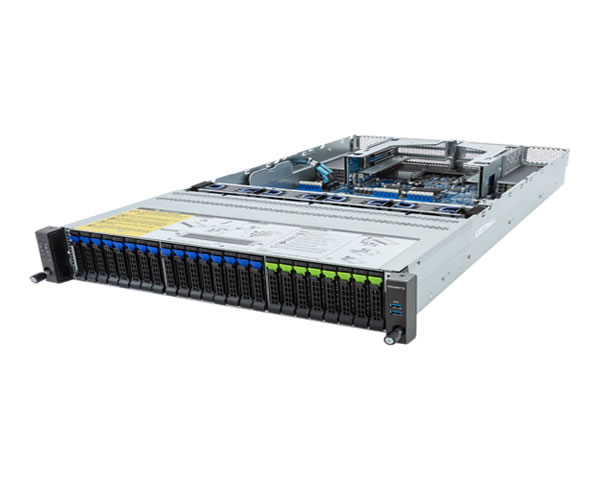
the fault recovery process includes six stages: detection, classification, diagnosis, mitigation, recovery and root cause analysis. for malaysian server cloud computers, the responsible person, contact link and time window should be clearly defined in the process, and standardized work order templates should be used to record events to ensure complete review and improvement measures after recovery, so as to reduce the probability of recurrence of similar events.
diagnosis steps start with confirming the scope of impact, checking monitoring and logs, and rolling back recent changes; emergency measures include switching traffic, restarting services, temporarily expanding capacity, or activating standby machines. develop quick fallback paths and minimum available solutions for critical faults, prioritize core business availability, and then gradually restore all functions.
regular drills are key to verifying the feasibility of recovery. desktop drills and actual recovery drills should be conducted, covering single point failures and regional disaster scenarios. all processes, scripts and contact information should be versioned and archived to keep the documents synchronized with the actual environment. the drill results are used to update the operation and maintenance manual and optimize the backup and recovery strategy.
for the operation and maintenance of malaysian server cloud computers, it is recommended to build a closed-loop fault management system with monitoring as the outpost, backup as the base, and drills as the guarantee. continuously optimize thresholds, backup strategies and drill frequencies, and take compliance, security and cost factors into consideration to achieve robust business continuity and controllable risk management.
- Latest articles
- How The Operations Team Monitors And Optimizes The Performance And Availability Of VNPs CN2 In Vietnam
- Detailed Guide On How To Achieve Low-latency Matches On The Infinite Rule + Thai Servers
- Analysis Of Stable And Affordable Server Configurations And Cost-effectiveness For Small And Medium-sized Enterprises In Malaysia
- Analysis Of The Advantages Of Choosing US Server Hosting For Enterprises In Cross-border Business
- Case Analysis Of The Types And Upgrade Paths Required By Different Industries For Hong Kong Server Clusters
- Choose And Recommend How US Cloud Server Nodes Evaluate Operator Quality And Bandwidth Stability
- Suggestions For Optimizing Latency For Genie Festival Taiwan Servers And Practical Experience On Stable Connections
- Merchant Announcements, Summary Of Thai Washing Machine Room Prices, Latest Promotions, And Package Descriptions
- Technical Advice On Optimizing Bandwidth Peak And Traffic Billing When Renting A Singapore Server
- How Do Home Users Rate Taiwan Telecom's CN2 Broadband? Overview Of Bandwidth Availability And Service Quality
- Popular tags
-

How To Choose The Right Malaysian Cloud Server App To Meet Your Needs
This article will guide you how to choose the right Malaysian cloud server app to meet your business needs. -

Advantages And Usage Scenarios Of Malaysian Native Vps
understand the advantages and usage scenarios of malaysia’s native vps, and how to choose a vps service that suits you. -

Collection Of Common Malfunctions And Self-Troubleshooting Steps For Malaysia-based Lighthouse Cloud Servers
A collection of self-help troubleshooting steps for common issues with Malaysia's Lighthouse Cloud Servers, covering areas such as networking, DNS, SSH, disks, CPU/memory, firewalls, and backup and recovery. Provides actionable diagnostic information and solutions.